Ben Fitter-Harding
Studio Director
Insights | Marketing
18 November 2026
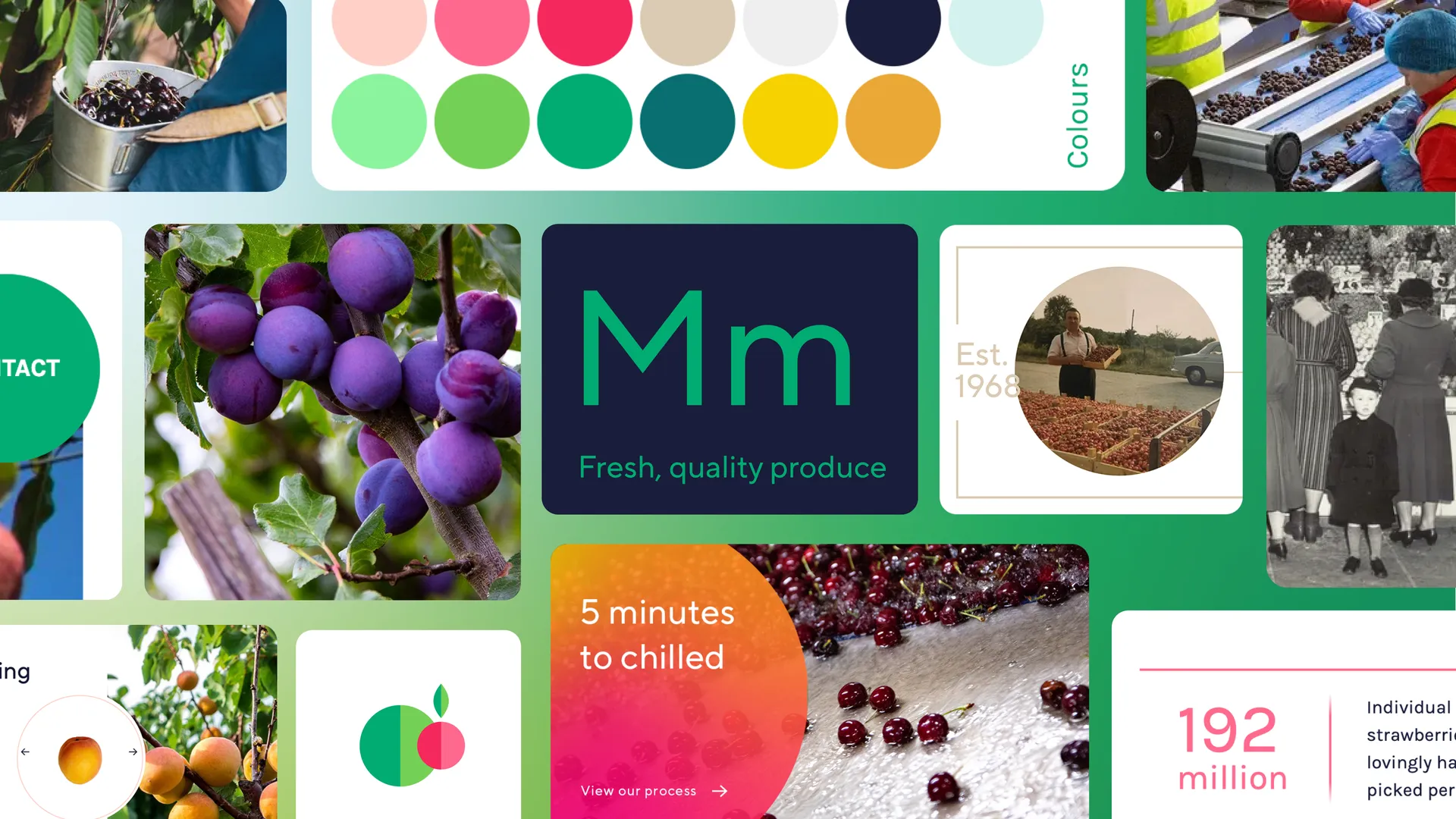
Remember when brand guidelines were a 40-page PDF nobody outside the design team ever opened? Good times. Except they weren't, really because the moment your brand starts to grow, that PDF becomes the thing standing between "on brand" and "close enough."
Add a few acquisitions, a couple of new markets, a wider comms team and a marketing function that's suddenly ten times the size it was two years ago, and a static document simply can't keep up. People need assets *now*, not after a Slack message to the brand team and a three-day wait.
Key takeaways from this article:
A PDF can tell someone what your brand *should* look like. It can't hand them the actual logo file, the right icon set, or the on-brand template for the deck they're building in the next twenty minutes. It can't version itself when the palette updates. And it definitely can't stop three different regional teams from quietly using three different shades of the same colour.
The bigger and more complex a brand gets with more sub-brands, more markets, more people who need to create something on-brand without waking up the design team (!) the more that gap costs you. Not just in inconsistency, but in time. Yours, and everyone else's.
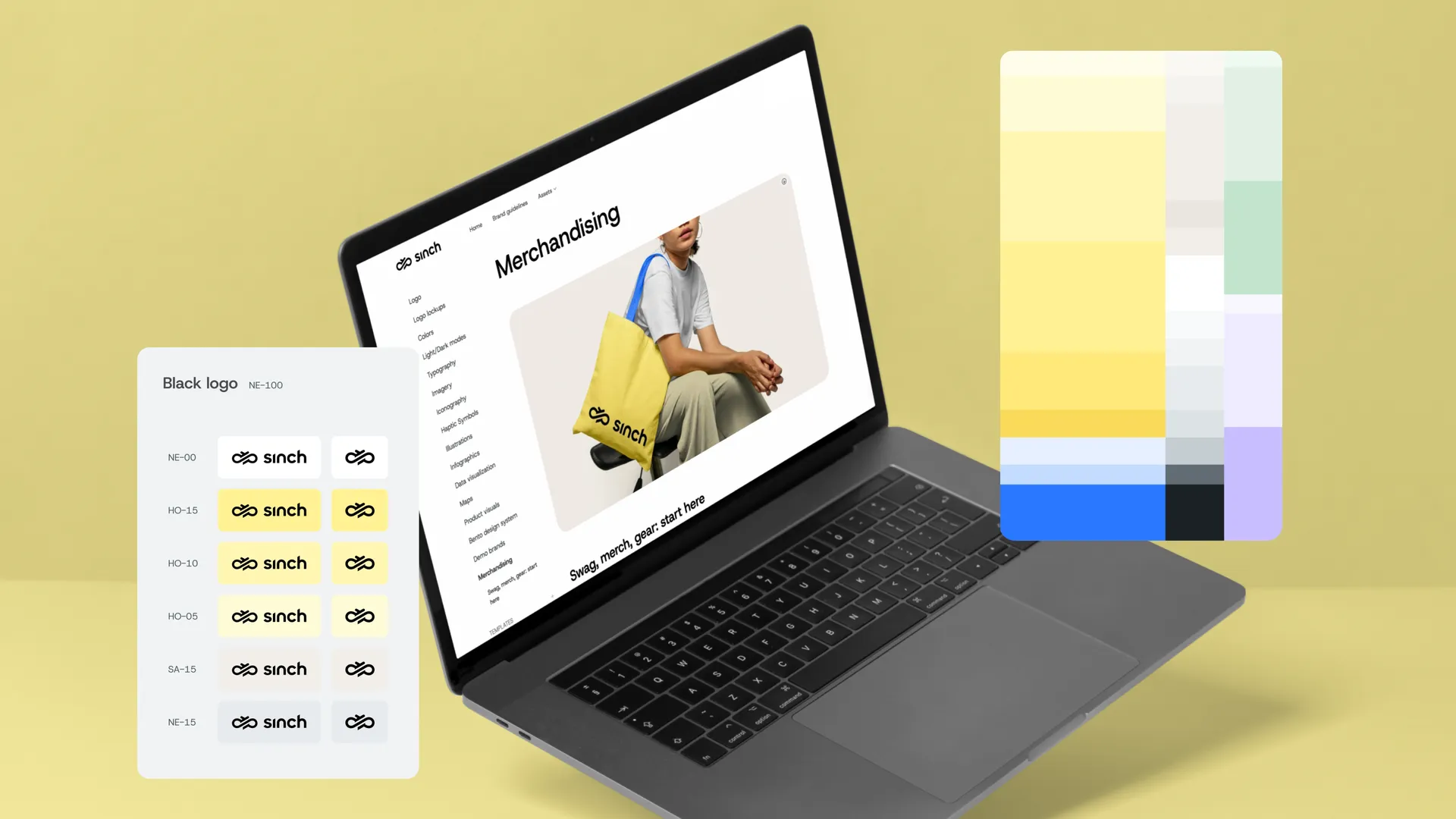
DAM stands for Digital Asset Management, platforms like Frontify (there are others, but it's currently the one leading this space, and it powers brands like Bosch, Vodafone and Lufthansa) fuse two things that used to live apart: your digital asset management and your brand guidelines. The result is a single source of truth, the asset and the instructions for using it, living in the same place, with proper version control so things can be updated or retired without thirty people working from the wrong file.
For a brand of any real size, that's transformative. Self-serve becomes genuinely possible. Integrations mean people can pull assets straight into Figma, Canva or Office rather than hunting through a shared drive. And the slow, painful business of managing files in something like SharePoint mostly disappears.
Here's the bit people get wrong, though: self-serve is a capability, not the goal. If you put all your eggs in that basket, the brand gets stuck, everyone's using what's already there, and nobody's evolving it.
The real value of a DAM isn't that it lets you stop thinking about your brand, but it does free up your designers to keep pushing the brand forward, while everyone else gets consistent, on-brand output without needing to ask.
A word of warning: platforms like this are simple on the surface and genuinely complex once you get into the more advanced functionality. That's not a skillset worth building in-house for a team that will only ever work on one brand. Agency support gets you a more comprehensive result, faster, so budget for it alongside the platform's onboarding and annual fees, not as an afterthought once you've already signed up.
'Self-serve is a capability, not the goal. The brands that get the most out of a DAM are the ones who still invest in production alongside it, that's where a brand actually keeps evolving.'
Studio Director
As a Frontify partner, we get a level of access and support that helps our clients design and build genuinely successful guides and libraries, but we're an independent agency, not tied to recommending any one platform. The right DAM depends entirely on your scale, structure and stack.
We work with our clients as an extension of their internal team, with a functional strategic lead across Brand, Digital and AI, plugged into their organisation to bridge capability gaps and take on the parts of a DAM rollout (curating and labelling assets, building integrations, keeping the platform current) that a growing brand team rarely has the bandwidth for.
If you're weighing up whether your brand has outgrown its guidelines PDF, get in touch for a chat about what a DAM could look like for you.